
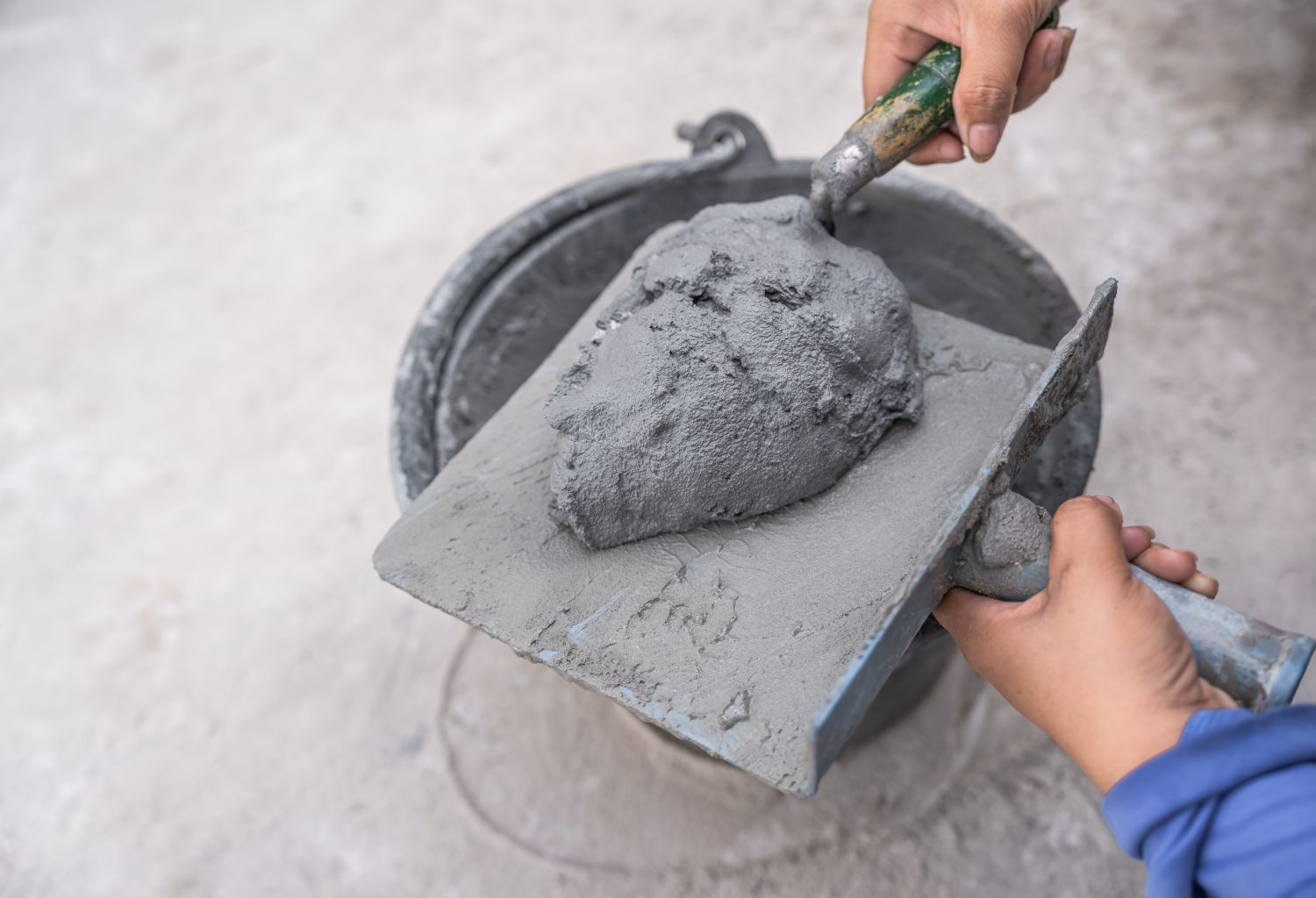
Factory floors endure significant wear and tear due to heavy machinery, foot traffic, and exposure to various chemicals. Over time, this can lead to cracks, chips, and surface deterioration, which not only affects the aesthetic appeal of the facility but also poses safety hazards and operational inefficiencies. Repair cement offers a practical solution for reinforcing factory floors, ensuring they remain durable and safe for ongoing use. This article explores the benefits of using repair cement, the application process, and best practices for maintaining factory floors.
Understanding Repair Cement
What is Repair Cement?
Repair cement is a specialized formulation designed to fill and repair cracks, holes, and imperfections in concrete surfaces. It typically consists of a blend of cement, aggregates, and additives that enhance its bonding properties, workability, and durability. Repair cement is available in various types, including fast-setting, self-leveling, and polymer-modified options, making it suitable for a wide range of applications.
Benefits of Using Repair Cement
- Durability: Repair cement is formulated to withstand the heavy loads and stresses typically experienced in factory environments. Its strong bonding properties ensure long-lasting repairs.
- Quick Application: Many repair cement products are designed for rapid setting, allowing for quick repairs that minimize downtime. This is crucial in a factory setting, where production schedules must be maintained.
- Versatility: Repair cement can be used for various applications, including filling cracks, resurfacing floors, and repairing damaged areas. This versatility makes it an ideal choice for factory floor maintenance.
- Cost-Effectiveness: Using repair cement to reinforce factory floors can be more economical than complete floor replacement. It extends the life of existing surfaces, reducing the need for costly renovations.
- Improved Safety: Repairing cracks and surface irregularities helps prevent slips, trips, and falls, creating a safer working environment for employees.
The Application Process
1. Assess the Damage
Before applying repair cement, assess the extent of the damage on the factory floor. Identify cracks, chips, or areas requiring reinforcement. This evaluation will help determine the type and amount of repair cement needed.
2. Prepare the Surface
Proper surface preparation is crucial for ensuring a successful repair. Follow these steps:
- Clean the Area: Remove any dust, dirt, grease, or debris from the damaged area using a broom or vacuum. For stubborn stains, consider using a degreaser.
- Chisel Out Damaged Areas: For larger cracks or holes, use a chisel and hammer to widen the edges of the damage. This creates a better bonding surface for the repair cement.
- Moisten the Surface: Lightly dampen the surface with water before applying the repair cement. This helps improve adhesion and prevents the cement from drying too quickly.
3. Mix the Repair Cement
Follow the manufacturer’s instructions for mixing the repair cement. Typically, this involves combining the dry mix with water in a clean container. Stir until you achieve a smooth, workable consistency. Avoid over-mixing, as this can introduce air bubbles that weaken the repair.
4. Apply the Repair Cement
- Filling Cracks: For small cracks, use a trowel or putty knife to press the repair cement into the crack, ensuring it fills completely. Smooth the surface to match the surrounding area.
- Repairing Larger Areas: For larger holes or damaged sections, apply the repair cement in layers if necessary. Allow each layer to set according to the manufacturer’s recommendations before applying additional layers.
- Resurfacing: If the entire floor surface needs reinforcement, use a large squeegee or trowel to spread the repair cement evenly across the floor. Ensure a consistent thickness for optimal results.
5. Allow to Cure
After application, allow the repair cement to cure according to the manufacturer’s instructions. Curing times may vary based on the product and environmental conditions. Avoid heavy traffic on the repaired area until it has fully cured to ensure durability.
Best Practices for Maintenance
1. Regular Inspections
Conduct regular inspections of factory floors to identify any new damage or wear. Addressing issues promptly will prevent them from escalating and requiring more extensive repairs.
2. Clean and Maintain
Keep factory floors clean by regularly sweeping and mopping to remove debris and spills. Implementing a routine cleaning schedule will help prolong the life of the repair cement and the floor itself.
3. Use Protective Coatings
Consider applying a protective sealant or coating over the repaired areas to enhance durability and resistance to chemicals, stains, and abrasion. This additional layer of protection can significantly extend the life of the repair.
4. Train Employees
Educate employees about the importance of floor maintenance and safe practices to prevent damage. Encourage them to report any issues immediately so they can be addressed before they worsen.
Conclusion
Using repair cement to reinforce factory floors is an effective and cost-efficient solution for maintaining a safe and functional workspace. By understanding the benefits, following the proper application process, and implementing best practices for maintenance, facility managers can ensure that their floors remain durable and safe for years to come. Investing in quality repairs not only enhances the aesthetic appeal of the facility but also promotes a culture of safety and efficiency among employees, ultimately contributing to the overall success of the operation.