
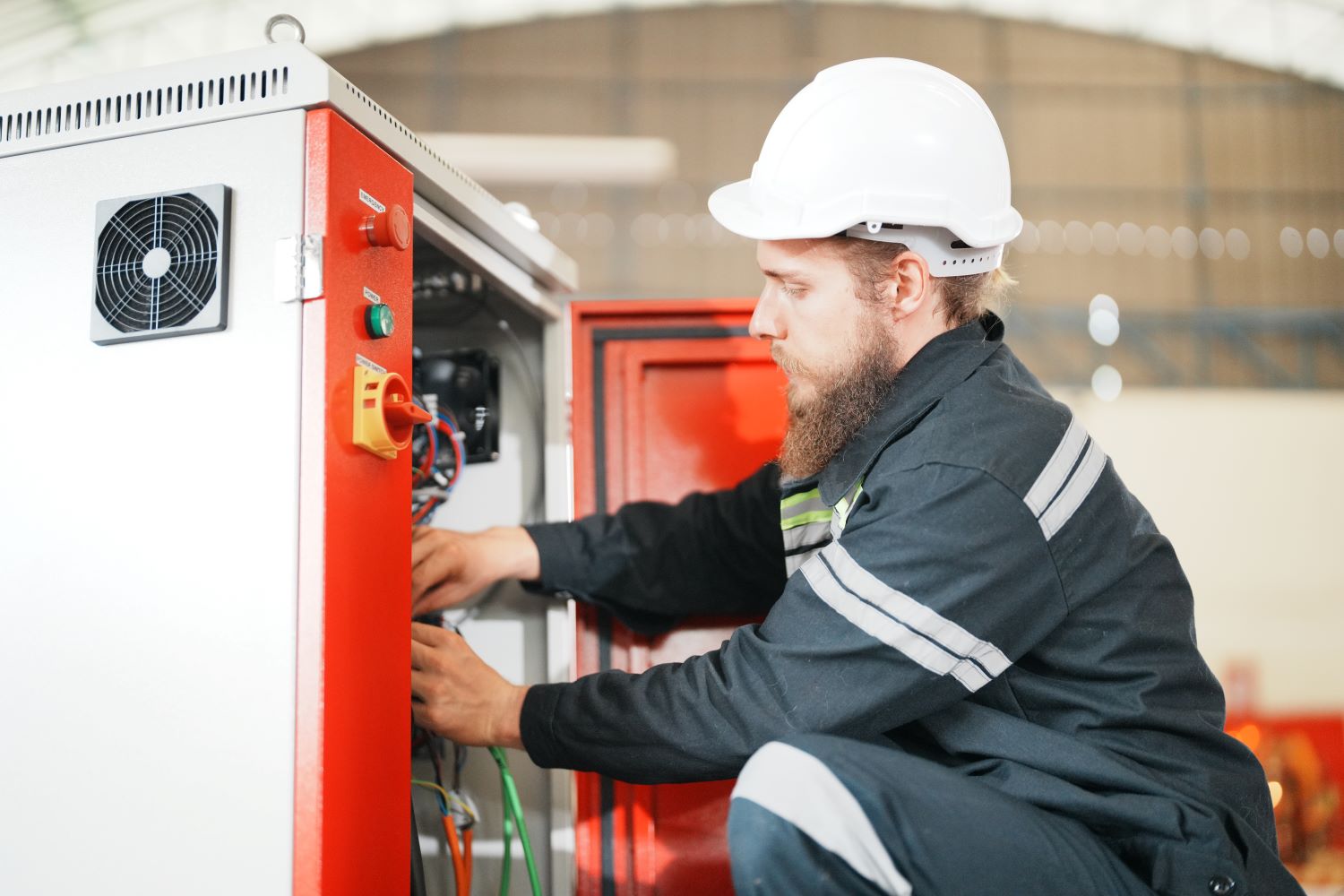
Keeping a Maintenance Fire Alarm System plan in place is essential for protecting lives and property. Even the most advanced alarm system won’t work properly if it’s not cared for. Unfortunately, many building owners and facility managers make common mistakes that reduce reliability and create safety risks. The good news is that these errors are easy to avoid with the right knowledge and routine practices.
Why Maintenance Matters
A Maintenance Fire Alarm System ensures that all devices—detectors, panels, and alarms—operate correctly when needed. Poor maintenance can lead to:
- False alarms disrupting daily operations.
- Missed warnings during real emergencies.
- Higher costs from neglected repairs.
- Non-compliance with fire safety codes.
Common Maintenance Mistakes
1. Skipping Regular Inspections
- The Mistake: Only checking the system when a problem occurs.
- The Fix: Schedule regular inspections, including monthly tests and annual professional servicing.
2. Ignoring Fault Signals
- The Mistake: Dismissing warning lights or error messages on the control panel.
- The Fix: Treat every fault signal seriously and call a technician immediately.
3. Poor Record Keeping
- The Mistake: Not documenting inspections, tests, and repairs.
- The Fix: Maintain clear logs to track service history and prove compliance.
4. DIY Repairs Without Expertise
- The Mistake: Attempting to fix wiring or reset complex systems without proper training.
- The Fix: Always use certified professionals to service a Maintenance Fire Alarm System.
5. Not Replacing Old Components
- The Mistake: Keeping detectors or panels beyond their recommended lifespan.
- The Fix: Replace devices according to manufacturer guidelines, usually every 8–10 years for detectors.
6. Overlooking Environmental Factors
- The Mistake: Allowing dust, steam, or grease to clog sensors.
- The Fix: Clean detectors regularly, especially in kitchens, warehouses, and industrial areas.
Best Practices to Avoid Mistakes
- Create a Service Schedule: Mark dates for monthly, quarterly, and annual checks.
- Train Staff: Teach employees how to recognize alarms, faults, and testing procedures.
- Work with Professionals: Certified technicians know how to diagnose and fix problems correctly.
- Upgrade When Needed: Invest in modern systems with self-diagnostics and better reliability.
- Conduct Fire Drills: Regular practice ensures the Maintenance Fire Alarm System is working as intended.
Conclusion
A Maintenance Fire Alarm System is only effective when managed correctly. Skipping inspections, ignoring faults, or delaying upgrades are mistakes that put people and property at risk. By scheduling regular checks, keeping accurate records, and relying on professionals, you can avoid these pitfalls and ensure your fire alarm system performs at its best when it matters most.